
When something feels off in your home—a sticky window, a bubbling patch of paint, or a hollow-sounding floorboard—it’s easier to assume it’s just a quirk of homeownership or an effect of North Carolina’s humidity. But these minor annoyances could be subtle signs of a growing termite problem lurking out of sight. Catching these indicators early can make all the difference in protecting your home, your family’s comfort, and your long-term investment. At Albemarle Termite & Pest Control, with years serving the Elizabeth City area, we want you to know exactly what to watch for—so you’re not the last to know.
Concerned about termites? Let our certified technicians help. Call (252) 424-7966 or learn more about our proven termite solutions online.
What Are the Most Overlooked Termite Infestation Signs in Your Home?
Subtle termite infestation signs often go unnoticed because homeowners look for obvious clues like mud tubes or significant wood rot. In reality, early signals present themselves in quiet, easily overlooked ways. Small pinholes in drywall, faint piles of dust near baseboards, or wood that sounds hollow when tapped can all be early indicators of termite activity. These signs sometimes appear around door frames, window sills, or along the base of your walls. You might notice what looks like pepper or sawdust-like particles, called frass, collecting in unexpected places. These kinds of subtle clues are easy to sweep away without realizing their true significance.
Paint bubbles, peeling, or warping—especially around trim, windows, or at the base of walls—can be caused by termite tunneling just under the surface. This distortion occurs as termites eat away at the cellulose in wood, trapping moisture and creating air pockets. Homeowners often blame humidity or old paint, not considering that pests could be quietly breaking down the integrity of their woodwork beneath the surface. In an area like Elizabeth City, where the climate is conducive to year-round termite activity, such oversights give these pests the time they need to establish a large colony out of sight.
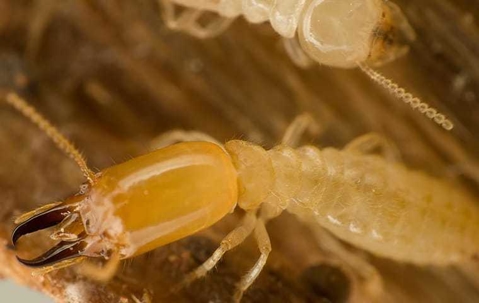
You may also notice faint tapping, clicking, or rustling sounds from inside the walls. Worker termites make soft noises as they chew, and soldier termites will sometimes bang their heads to signal danger or to communicate. Such noises are subtle, often only noticeable during nighttime quiet, but they’re a vital clue. Spotting these understated red flags early on makes a crucial difference in protecting your home from serious damage.
Which Subtle Termite Infestation Signs Are Often Mistaken for Other Issues?
Many subtle termite infestation signs get misdiagnosed as normal wear or unrelated home maintenance problems. Sagging or uneven floors, for example, are commonly attributed to settling, water damage, or normal aging. In reality, termites can hollow out the wood beneath your flooring, creating soft spots, dips, or a bouncy feeling as you walk across the surface. Similarly, windows and doors that become increasingly difficult to open or close may be the result of termites feeding on the frames or underlying structure, not just seasonal humidity.
Cracks or bubbling in paint are frequently blamed on water leaks or humidity. However, after checking for obvious sources of water, persistent or spreading paint issues—especially concentrated in specific spots—should point you toward the possibility of termites tunneling just beneath. In older Elizabeth City homes, this distinction gets blurred because the natural aging process and pest damage can look similar. However, the localized nature of these symptoms, especially when repairing them leads to recurring issues, is a strong warning to investigate for termite activity.
Unusual, musty odors also get overlooked. Homeowners may believe a room simply needs to be aired out or cleaned, not realizing that large termite colonies can create a lingering, earthy smell as a result of their waste and natural pheromones. If you’ve noticed a scent that doesn’t go away despite thorough cleaning, especially near baseboards or in rarely used rooms, it’s time to consider that termites might be to blame and to seek a more detailed inspection.
Don't wait for the damage to get worse. Contact Albemarle Termite & Pest Control at (252) 424-7966 or explore our effective treatment options on our website.
What Should You Know About Termite Frass & How to Identify It?
Finding piles of termite frass—the droppings these pests leave behind—is often the only surface-level sign of a hidden problem in the early stages. Termite frass looks like small, hard, oval pellets and usually gathers in tiny heaps below infested woodwork or near pin-sized holes. Unlike sawdust, which is fine and light, frass has a gritty, sand-like texture and tends to form neat piles in sheltered or less-trafficked areas. Homeowners sometimes mistake it for dirt or cleaning debris and simply vacuum it away.
The specific location and appearance of frass help determine the type of termite. In North Carolina, drywood termites push frass out of holes in wood inside the home, while subterranean termites often deposit their droppings in hidden tunnels. Look for unexplained piles around windowsills, door jambs, under baseboards, or near attic beams. The frass itself is typically light brown or tan, and its presence indicates that termites are actively feeding in the immediate area.
If you come across this kind of debris, take photos and avoid disturbing the site further. Note any new or worsening frass piles, as recurring debris points to ongoing activity. Sharing this information with your pest management provider makes professional diagnosis and treatment much more effective, minimizing the risk of spread or hidden damage.
Why Clicking & Rustling Noises in Walls May Signal Termites at Work
Clicking, tapping, or faint rustling coming from inside walls raises immediate concern for many homeowners. While sometimes dismissed as the house settling, these noises can indicate an active termite infestation. Worker termites produce rustling or munching sounds as they eat through wood, and soldier termites signal danger by banging their heads against tunnel walls. Unlike the intermittent scurrying of rodents, termite sounds are subtle, repetitive, and tend to originate specifically from timber or wooden fixtures.
The best time to listen for termite activity is during the evening or quiet parts of the day. Press your ear against suspect areas like baseboards, door frames, or floor joists—you may pick up a soft ticking or rustling that sounds almost like rain falling far in the distance. In well-established colonies, these noises can stand out enough to interrupt sleep or become a source of ongoing frustration.
What distinguishes these sounds is their location and persistence. If clicking or rustling comes from wooden architectural features and pairs with other subtle termite infestation signs, it’s wise to act quickly. Don’t chalk it up to benign causes until a pest professional investigates. Early detection not only stops the colony from spreading, but also reduces repair costs and disruption to your living space.
Are Bubbling & Distorted Paint Early Clues of Termite Activity?
Bubbling, warping, or peeling paint is often mistaken for minor water damage or the effects of humidity. However, these paint abnormalities often signal an underlying termite infestation—especially if you find them localized in spots with no apparent water source. Termites eating just behind painted surfaces create gaps and unevenness as they disrupt the wood, trapping air and moisture that causes the paint to lift or blister from inside out.
If you press on a bubbled patch and the wood feels soft, yields, or even breaks through easily, there’s a strong chance that termites have hollowed out the material underneath. While moisture can also cause these symptoms, termite-related paint damage typically occurs near windows, doors, or trim rather than across larger walls. Persistent paint issues in the same area, despite repairs, are another sign to look below the surface.
In Elizabeth City, where both drywood and subterranean termites are common, knowing the difference can save time and expense. When you discover any combination of paint problems and soft wood, document the location and call a trusted termite inspector to confirm whether pests are present and advise next steps for treatment or repair.
Ready to secure your home from termites? Contact us at (252) 424-7966 or visit our Termite Control page to see how we can help.
How Fast Can Subtle Signs of Termites Turn Into Major Home Damage?
The transition from subtle warning signs to costly termite damage can be surprisingly quick—especially in climates with high humidity and mild winters. Once a colony becomes established, subterranean termites can eat through a foot of two-by-four lumber in as little as six months. Because they work continuously, even minimal clues like soft wood, occasional frass, or minor paint issues can rapidly multiply into visible holes, warped flooring, or collapsing trim if not addressed.
Factors that speed up termite destruction include untreated framing, persistent water leaks, and delayed inspections. Older Elizabeth City homes, in particular, are prone to rapid escalation if termite populations grow unchecked. Homeowners who don’t act at the first signs may soon face comprehensive wood repairs, foundation reinforcement, or significant reconstruction—expenses that often far surpass the cost of early, preventative treatment.
If you spot suspicious changes but hesitate to bring in a pest control professional, remember that the risks and costs only increase with every passing week. Proactive annual inspections, combined with fast responses to minor signs, help contain termite activity early and consistently preserve both your investment and peace of mind.
What Should You Do Immediately If You Find Subtle or Suspicious Termite Signs?
Taking prompt, smart steps after spotting subtle termite infestation signs offers the best chance of stopping damage before it accelerates. Here’s what works best:
- Document Everything: Take clear photos of all suspect areas, including frass piles, paint damage, or hollow-sounding wood. Record details about when and where you found them.
- Limit Disturbance: Try not to disturb the affected areas. Moving debris or attempting DIY repairs can cause termites to move deeper into your home, making detection and treatment more difficult.
- Skip Over-the-Counter Sprays: Store-bought termite treatments rarely reach the heart of the problem and can scatter the pests, leading to more widespread damage.
Instead, reach out for a professional, thorough inspection. At Albemarle Termite & Pest Control, we focus on providing honest answers, clear explanations, and solutions tailored to your needs. Our team understands both how local termites behave and the structural nuances of Elizabeth City-area homes, so you get direct guidance on effective solutions rather than guesswork.
Your quick response provides the best opportunity to minimize repair costs and disruption. Proactive communication with your termite control provider ensures your safety and comfort throughout the evaluation and treatment process.
Why Are Professional Inspections Essential for Finding Subtle Termite Infestation Signs?
Homeowners can uncover some surface-level clues, but a professional termite inspection makes all the difference in catching hidden and subtle infestation signs before damage spreads. Pest management professionals use specialized tools—like moisture meters, borescopes, and thermal imaging cameras—to detect colonies inside walls, under floors, and in crawl spaces. Their training equips them to recognize the differences between normal home aging and termite-specific clues, targeting the right areas from the start.
A comprehensive inspection covers much more than just visible wood. Inspectors review foundation lines, attic framings, potential entry points, and less-accessible areas where termites often hide. At Albemarle Termite & Pest Control, we combine in-depth inspections with Integrated Pest Management (IPM) techniques, allowing us to suggest strategies tailored to your home's unique risks and construction. We also keep our team up to date with the latest industry knowledge and methods, aligning our approach with both current science and local best practices.
Regular, professional evaluations not only help spot termite colonies sooner but also serve as a cornerstone of long-term protection for your property. Continuous check-ups minimize disruption, lower costs, and offer peace of mind. Prioritizing annual assessments and acting on subtle clues maintains your home’s safety & its value for years to come.
Top Questions Elizabeth City Homeowners Ask About Subtle Termite Infestation Signs
We often hear from homeowners who are concerned about seeing winged insects, known as swarms, inside the home. Indoor swarming is a major sign that a termite infestation could be present, as termites are seeking a place to expand the colony. Another question is whether pets can help detect termites. While pets may sniff, scratch, or seem agitated in certain areas with termite activity, they cannot confirm an infestation by themselves. If your pet shows ongoing interest in a specific area—especially with other warning signs—take a closer look or arrange for an inspection.
Elizabeth City’s climate raises another frequent concern: Isn’t termite damage less of a risk during winter? Unfortunately, our area’s mild winters mean termites often remain active through the season, so vigilant monitoring is necessary year-round. Homes with crawl spaces, older framing, or high moisture content are especially susceptible as termites thrive in these local conditions.
Finally, many ask about the value of DIY treatments for subtle termite issues. While do-it-yourself options may address the surface level problem for a short time, they do not reach hidden colonies or prevent long-term damage. Only a professional inspection & customized plan offers reliable, lasting solutions for families and property owners.
Get peace of mind with a professional inspection. Dial (252) 424-7966 to speak with our team or request more information through our website.